

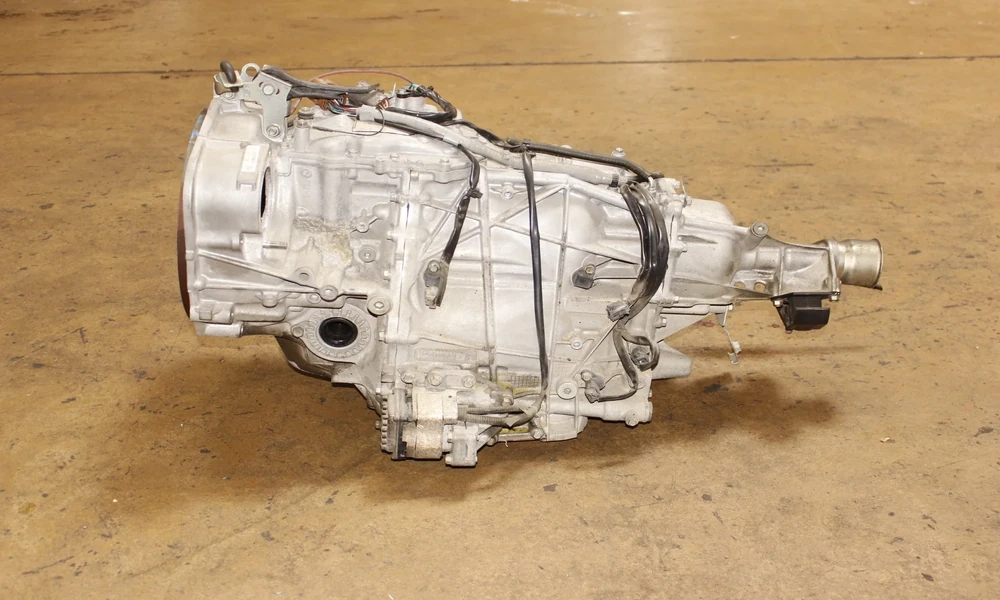
The gap in price and durability between a Subaru five-speed and the STI six-speed is one of the widest in the import world, and that gap is about to matter more, not less. As the platforms that carried these transmissions age and the import supply shifts, the buyers who understand where demand is heading will source the right gearbox while it is still sensible to do so.
Subaru built its reputation on symmetrical all-wheel drive, and the transmission is central to that system rather than a bolt-on afterthought. Predicting where this market goes means understanding what these transmissions do, which ones will hold value, and how the aging of a generation of enthusiast cars reshapes what people will be hunting a few years from now.
The durability divide that drives everything
The forecast starts with a hard mechanical fact. The five-speed manual that came in the standard WRX was never built for serious power, and the enthusiast community learned this the expensive way. Push a modified WRX hard on the factory five-speed and failure becomes a question of when, not if. The six-speed from the STI, by contrast, was engineered for abuse and shrugs off power levels that destroy its smaller sibling.
That divide creates a permanent demand pattern. Anyone building power wants the six-speed, and the supply of good ones is finite. As more WRX owners chase performance and grenade their five-speeds, the pull toward the stronger transmission only intensifies. Builders searching for Subaru JDM transmissions are overwhelmingly looking for that six-speed unit or a healthy replacement for a five-speed that gave up, and that pattern is not going to reverse.
Why the all-wheel-drive integration raises the stakes
A Subaru transmission is not just a gearbox. It houses the center differential that splits power front to rear, and in the STI that differential is driver-adjustable through a system that lets the driver bias the split for conditions. This integration means a transmission swap touches the heart of what makes the car handle the way it does, and it means the right transmission carries hardware a simple gearbox does not.
The consequence for the market is that these transmissions are harder to substitute. You cannot casually drop in a generic replacement, because the all-wheel-drive system depends on the correct unit with its correct internals. That scarcity of true substitutes supports value over time, particularly for the six-speed with its more sophisticated center differential.
The aging platform effect
Here is the forecast’s core. The cars that carried these transmissions are getting older, and two things happen as a performance platform ages. Attrition thins the herd as neglected and crashed examples leave the road, shrinking the pool of donor drivetrains. And nostalgia lifts demand as the people who wanted these cars new finally buy the projects they always intended to build.
Those forces push in the same direction. Fewer available transmissions, more buyers wanting them. The five-speeds that failed under power are gone, the six-speeds that survived are spread across a shrinking population of cars, and the import market becomes a primary source for enthusiasts who cannot find a good unit domestically. The steady flow of JDM drivetrains into the United States becomes more valuable precisely as the local supply tightens.
What this means for buyers deciding now
If the trajectory points toward tighter supply and firmer prices, the strategic move is clear. Buyers who need a strong Subaru transmission are better positioned sourcing it sooner rather than waiting for the squeeze to intensify. The six-speed that seems expensive today may look like a bargain against a future where good ones are harder to find and command more.
There is a quality dimension too. Buying from a seller who inspects and warranties imported transmissions matters more as supply tightens, because a shrinking market tempts sellers to move marginal units. A tested, guaranteed transmission from a reputable importer protects you from inheriting someone else’s worn synchros or a center differential on its last legs. As the pool of available units ages, condition variance widens, and verification becomes the buyer’s main defense.
How to tell the units apart before you buy
Because the value gap between the transmissions is so large, so is the temptation to misrepresent one as another. A buyer needs to confirm what they are actually purchasing rather than trusting a listing title. The six-speed and the five-speed differ physically, and the driver-controlled center differential hardware is a giveaway on the units that carry it. Verify the specifics with the seller, ask for detail on the center differential, and confirm the unit is the generation you expect, since these transmissions changed across model years in ways that affect compatibility with your car.
Clutch actuation is one of those year-to-year differences that catches people. Subaru changed clutch designs across generations, and a transmission from the wrong year can require a different clutch and related hardware to work with your setup. Confirm the pairing before committing, because a transmission that will not accept your clutch is a problem you discover at the worst possible moment, mid-installation.
The buyer’s strategy in a tightening market
If the trend runs the way the evidence suggests, the practical response is to buy deliberately and early rather than reactively and late. Decide which transmission your build genuinely needs, verify condition and compatibility, and source it from an importer who inspects and warranties stock while good units remain reasonably available. Waiting rarely improves the buyer’s position in a market defined by aging platforms and finite quality supply.
The longer view
Zoom out and the picture is consistent. Subaru built all-wheel-drive performance cars that people still want, powered through transmissions that range from fragile to bulletproof, integrated with a drivetrain that resists easy substitution. The desirable units were always finite, the platforms are aging, and demand from builders and nostalgic buyers keeps climbing. That combination does not produce falling prices or expanding supply.
This is not a call to panic-buy. It is a call to plan. A builder who knows a six-speed is in their future benefits from watching the market now, understanding the price of a good unit, and acting when the right one appears rather than when the old transmission finally lets go on a back road. Reactive buyers pay more and choose from less. Proactive ones set their terms.
The enthusiasts who read this correctly treat the strong Subaru transmission as something to secure while the securing is good, and they buy it from sources that stand behind what they sell. The ones who wait may find the six-speed they wanted has quietly moved from expensive to genuinely scarce. Markets built on aging platforms and finite quality supply rarely get easier for the buyer, and this one is following the script. Reading it now, before the trend fully expresses itself, is the advantage available to anyone paying attention.
